


The official press response deadline set by Magyar News Online has expired, yet neither the Social Affairs Authority of the City of Vienna (MA 40), the Austrian Federal Ministry of Social Affairs, Health, Care and Consumer Protection (BMASGPK), nor the Federal Chancellery responded to the official press inquiries submitted by our editorial team. Our outlet reported yesterday on the documented case in which the Social Fund Vienna (Fonds Soziales Wien – FSW) rejected the hospice care application of a terminally ill Hungarian-Romanian dual citizen legally employed and paying taxes in Austria, citing that the person concerned „is not considered equal to Austrian citizens.” Our editorial board is now publishing in full the questions that the Austrian bureaucracy did not dare or want to answer.
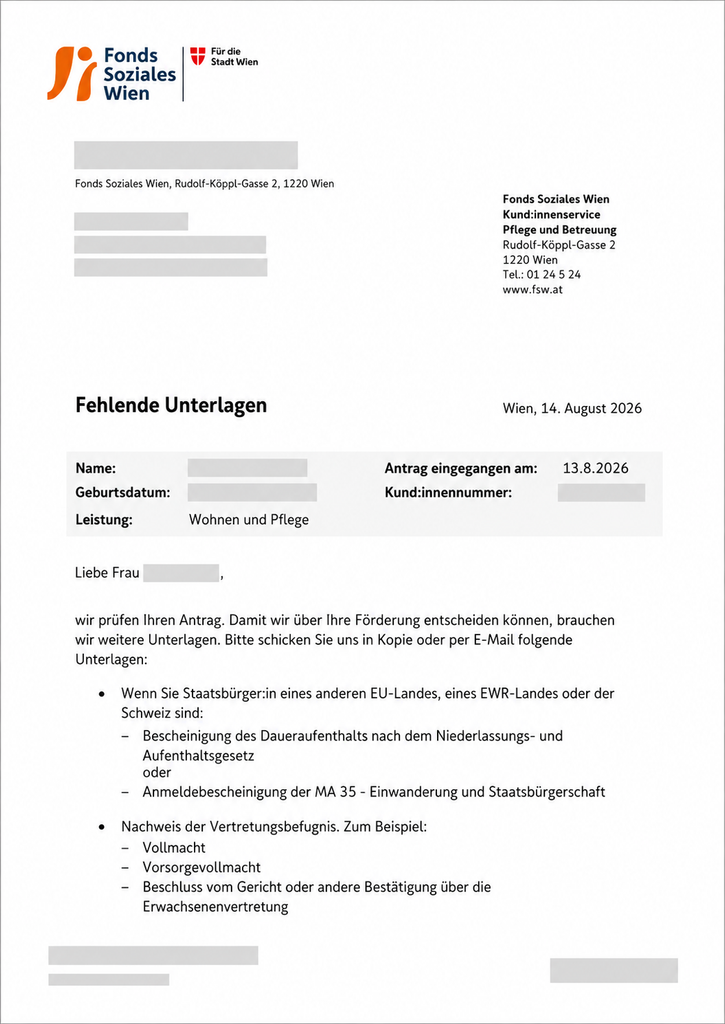
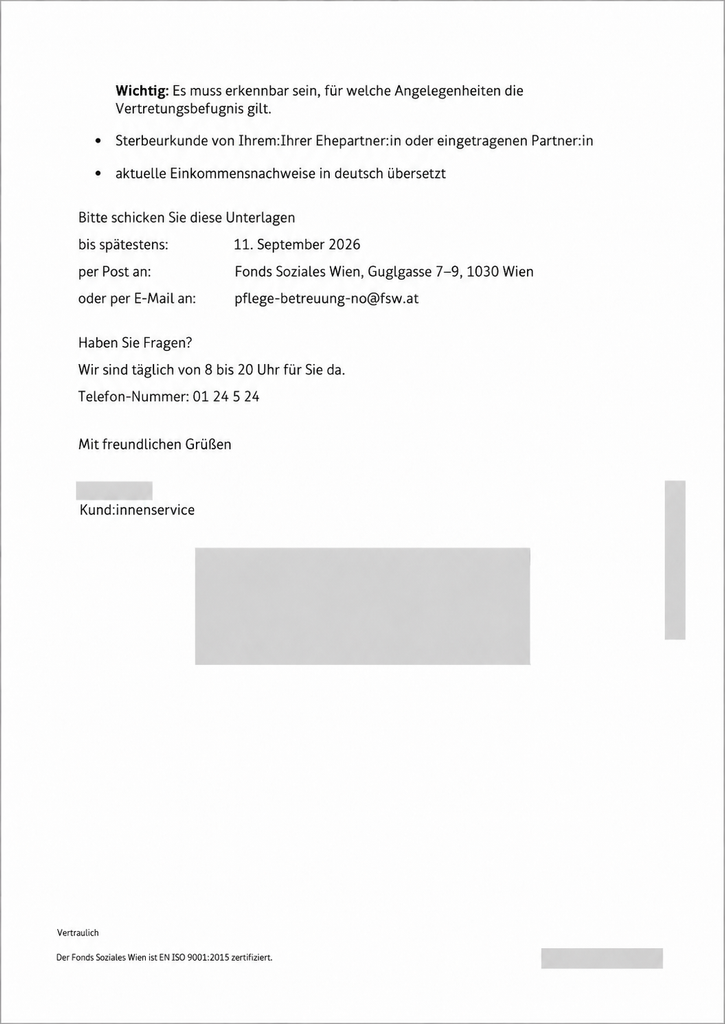
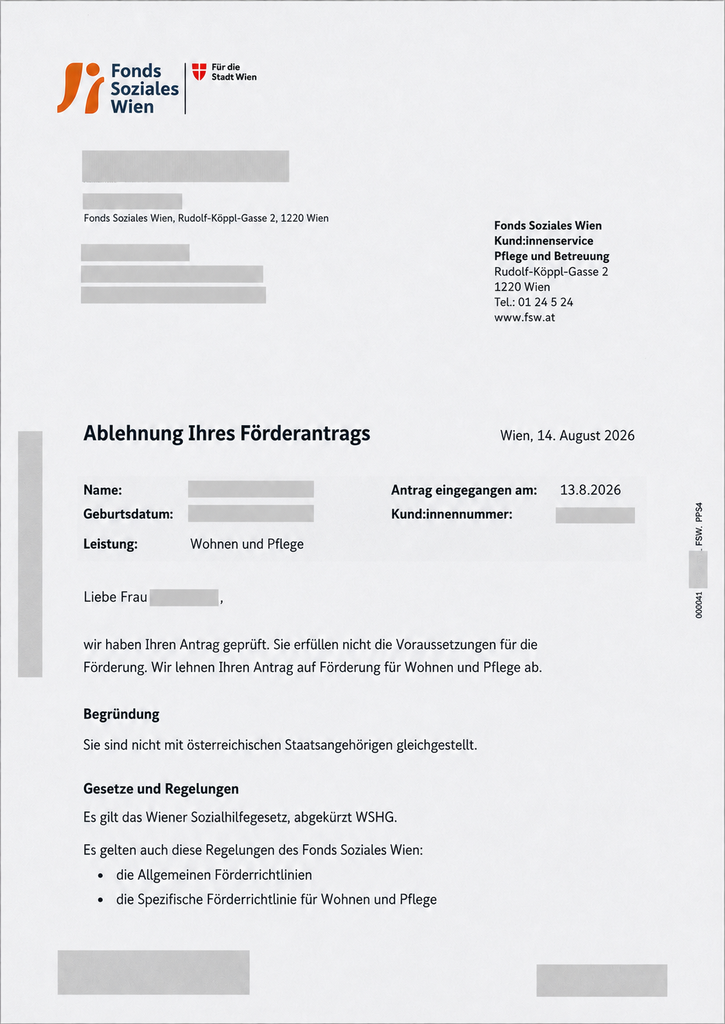
In yesterday’s investigative report, our editorial team detailed the official administrative documents in our possession. According to the documentation, the Social Fund Vienna (FSW) issued a notice on August 14, 2026, requesting additional documents from the applicant with a deadline of September 11, 2026. On the exact same day, August 14, 2026, the authority also issued a rejection decision, stating the following justification verbatim in German:
„Sie sind nicht mit österreichischen Staatsangehörigen gleichgestellt.”
(“You are not considered equal to Austrian citizens.”)
The individual concerned is of retirement age, holds registered residence in Austria, and maintains active, legal employment with all social security contributions and taxes paid in compliance with Austrian law by her employer. Medical evaluations confirm the advanced, incurable nature of the illness and the urgent necessity of immediate palliative and hospice care.
Hellish Drama Behind Closed Doors: When Bureaucracy Denies the Last Shred of Dignity
Imagine for a moment that your own mother is lying in the quiet of a Vienna apartment. A woman who worked honestly her entire life, paid her taxes lawfully, and who now, in the hardest, final battle of her life, is fading away day by day. You see the pain in her eyes, hear her failing breath, and you know: professional, dignified hospice care, pain management, and humane treatment are not a luxury—they are a fundamental human right. The right to life and a dignified end that should belong to everyone in a modern European capital.
Yet the reality is a cold, heartless nightmare.
In this helpless state, the elderly woman is cared for at home by her son. A son who himself suffers from severe heart disease and who previously survived a life-threatening heart attack. Think about this physical and emotional toll! It is not enough that he must watch his beloved mother deteriorate and suffer while the full weight of caregiving rests on his devoted shoulders every single minute—all the while, constant stress, anxiety, and powerlessness threaten his own fragile health and life.
And what does the Austrian administration do in the meantime? Instead of offering a helping hand and a safety net, Viennese bureaucrats crush their human dignity with a stroke of a pen. With a cold rejection notice, they humiliate them, making them feel like second-class citizens in this system—simply because Austrian blood does not run through their veins. Where is the basic humanity? Where is the right to decent care when bureaucracy becomes more important than the suffering of a dying patient and the desperate struggle of a heart-diseased son?
Considering that the reasoning in the FSW decision raises serious compliance questions regarding Article 45 of the Treaty on the Functioning of the European Union (TFEU) and Regulation (EU) No 492/2011 on freedom of movement for workers within the Union, our news portal submitted an official press inquiry to the relevant state and federal authorities with a deadline of August 26, 2026, at 12:00 PM. By the specified deadline, no response was received.
Below are the questions our editorial team delivered to the authorities.
Our Questions to the Social Affairs Authority of the City of Vienna (MA 40)
Our questions sent to the supervisory authority responsible for provincial social and health procedures (Unsere Fragen an Ihre Behörde lauten wie folgt):
- 1. Wie begründet die MA 40 als Aufsichtsbehörde die Feststellung der fehlenden Gleichstellung („nicht gleichgestellt”) bei einer in Österreich gemeldeten und aktiv erwerbstätigen EU-Bürgerin im Lichte von Art. 45 AEUV und der Verordnung (EU) Nr. 492/2011?(How does MA 40, as the supervisory authority, justify the determination of a lack of equal treatment [„not equalized”] regarding an EU citizen registered and actively employed in Austria, in light of Art. 45 TFEU and Regulation [EU] No 492/2011?)
- 2. Wäre dieselbe Person unter ansonsten unveränderten Umständen als österreichische Staatsbürgerin für die betreffende Unterstützung bzw. Versorgung anspruchsberechtigt?(Under otherwise unchanged circumstances, would the same person be entitled to the support or care in question if she were an Austrian citizen?)
- 3. Auf welcher verfahrensrechtlichen Grundlage basiert die Praxis, einen Antrag am selben Tag abzulehnen, an dem dem Antragsteller eine Nachforderungsfrist bis zum 11. September 2026 eingeräumt wird?(On what procedural legal basis is the practice based to reject an application on the exact same day that the applicant is granted a deadline until September 11, 2026, to submit additional documentation?)
- 4. Stehen automatisierte Prozesse hinter dieser Entscheidung oder wurden die beiden widersprüchlichen, unterzeichneten Dokumente vom 14. August 2026 im Rahmen einer individuellen sachbearbeiterischen Prüfung erstellt?(Are automated processes behind this decision, or were the two contradictory, signed documents dated August 14, 2026, generated as part of an individual case officer review?)
- 5. Welche Sofortmaßnahmen ergreift die MA 40, um sicherzustellen, dass unheilbar kranken Menschen durch administrative Fehlentscheidungen der Zugang zur Hospizpflege nicht verwehrt wird?(What immediate measures is MA 40 taking to ensure that terminally ill individuals are not denied access to hospice care due to administrative missteps?)
- 6. Inwiefern sieht die MA 40 eine Haftung der Stadt Wien nach dem Amtshaftungsgesetz (AHG), sollte die Patientin aufgrund dieser rechtswidrigen Verzögerung nicht rechtzeitig die indizierte Palliativversorgung erhalten?(To what extent does MA 40 foresee liability for the City of Vienna under the Official Liability Act [AHG] should the patient fail to receive indicated palliative care in time due to this unlawful delay?)
- 7. Ist der MA 40 bekannt, ob es sich hierbei um einen Einzelfall oder um eine systematische Entscheidungspraxis bei EU-Arbeitnehmern handelt?(Is MA 40 aware of whether this represents an isolated case or a systematic decision-making practice regarding EU workers?)
- 8. Welche aufsichtsrechtlichen Weisungen erteilt die MA 40 als zuständige Aufsichtsbehörde dem Fonds Soziales Wien (FSW), um die offensichtlich rechtswidrige Entscheidung unverzüglich aufzuheben und eine erneute, ordnungsgemäße Prüfung zu veranlassen?(What supervisory directives is MA 40 issuing as the responsible authority to the Social Fund Vienna [FSW] to immediately revoke the manifestly unlawful decision and order a proper re-examination?)
- 9. Welche vorläufigen Sofortmaßnahmen ergreift Ihre Behörde im Rahmen der öffentlichen Fürsorgepflicht, um die ununterbrochene palliativmedizinische Versorgung der Patientin für die Dauer des laufenden Verwaltungsverfahrens sicherzustellen?(What temporary emergency measures is your authority taking under its public duty of care to ensure uninterrupted palliative medical care for the patient for the duration of the ongoing administrative process?)
Our Questions to the Austrian Federal Ministry of Social Affairs (BMASGPK)
Our press inquiry sent to the ministry supervising the federal social and care sector (Unsere Fragen an das Bundesministerium lauten wie folgt):
- 1. Wie beurteilt das BMASGPK aus bundesrechtlicher und unionsrechtlicher Sicht die behördliche Feststellung des Fonds Soziales Wien, dass eine in Österreich aufrecht angestellte und steuerpflichtige EU-Arbeitnehmerin „nicht mit österreichischen Staatsangehörigen gleichgestellt” sei?(How does the BMASGPK evaluate, from a federal and EU law perspective, the administrative finding of the Social Fund Vienna that an EU worker legally employed and taxable in Austria is „not equalized with Austrian citizens”?)
- 2. Entspricht diese Entscheidungspraxis auf Landesebene nach Einschätzung des Ministeriums den Vorgaben des Art. 45 AEUV sowie der Verordnung (EU) Nr. 492/2011 über die Freizügigkeit der Arbeitnehmer innerhalb der Union?(In the Ministry’s assessment, does this decision-making practice at the provincial level comply with the provisions of Art. 45 TFEU and Regulation [EU] No 492/2011 on freedom of movement for workers within the Union?)
- 3. Welche Kontroll- oder Harmonisierungsmöglichkeiten sieht das Bundesministerium vor, wenn Bundesländer oder ausgelagerte Landesorganisationen bei der Vergabe von Pflege- und Sozialleistungen potenziell gegen EU-Recht und das Allgemeine Diskriminierungsverbot verstoßen?(What oversight or harmonization mechanisms does the Federal Ministry envision when federal states or outsourced state organizations potentially violate EU law and the general prohibition of discrimination in awarding care and social benefits?)
- 4. Wie wird seitens des BMASGPK sichergestellt, dass unheilbar kranken Menschen in Österreich unabhängig von ihrer Staatsangehörigkeit ein lückenloser und menschenrechtskonformer Zugang zur Hospiz- und Palliativversorgung gewährleistet wird?(How does the BMASGPK ensure that terminally ill individuals in Austria, regardless of nationality, are guaranteed seamless and human-rights-compliant access to hospice and palliative care?)
- 5. Liegen dem Ministerium Erkenntnisse oder Beschwerden darüber vor, ob es sich bei dieser Praxis der Wiener Sozialbehörden um einen Einzelfall oder um ein strukturelles Problem bei der Gewährung von Sozialleistungen an EU-Bürger handelt?(Does the Ministry possess information or complaints regarding whether this practice by Viennese social authorities is an isolated incident or a structural problem in granting social benefits to EU citizens?)
- 6. Beabsichtigt das BMASGPK, im Rahmen seiner Koordinierungsfunktion Kontakt mit den zuständigen Stellen des Landes Wien (MA 40) aufzunehmen, um auf eine EU-rechtskonforme Anwendung des Arbeitnehmerbegriffs hinzuwirken?(Does the BMASGPK intend, within its coordinating function, to contact the responsible authorities of the State of Vienna [MA 40] to enforce an application of the worker concept that complies with EU law?)
Our Questions to the Austrian Federal Chancellery (Bundeskanzleramt)
Our inquiry submitted to the Federal Chancellery responsible for constitutional coordination (Unsere Fragen an das Bundeskanzleramt lauten wie folgt):
- 1. Wie beurteilt das Bundeskanzleramt als oberste Koordinationsstelle der Bundesregierung die behördliche Feststellung einer Wiener Landesorganisation, dass eine in Österreich aufrecht angestellte und steuerpflichtige EU-Arbeitnehmerin „nicht mit österreichischen Staatsangehörigen gleichgestellt” sei?(How does the Federal Chancellery, as the highest coordination body of the Federal Government, assess the ruling of a Viennese state organization that an EU worker legally employed and taxable in Austria is „not equalized with Austrian citizens”?)
- 2. Sieht das Bundeskanzleramt in einer solchen Entscheidungspraxis auf Landesebene das Risiko von EU-Vertragsverletzungsverfahren gegen die Republik Österreich wegen Verstoßes gegen Art. 45 AEUV und die Arbeitnehmerfreizügigkeit?(Does the Federal Chancellery see a risk of EU infringement proceedings against the Republic of Austria due to violations of Art. 45 TFEU and the free movement of workers stemming from such decision-making practices at the state level?)
- 3. Welche verfassungsrechtlichen und koordinativen Schritte unternimmt die Bundesregierung, um sicherzustellen, dass untergeordnete Behörden und Landesgesellschaften die europarechtlichen Vorgaben zur Gleichbehandlung von EU-Arbeitnehmern einhalten?(What constitutional and coordinative steps is the Federal Government taking to ensure that subordinate authorities and state-owned entities adhere to European legal requirements regarding equal treatment of EU workers?)
- 4. Wie verträgt sich diese Verweigerung von notwendigen medizinischen und sozialhilferechtlichen Hospizleistungen mit den verfassungs- und menschenrechtlichen Verpflichtungen Österreichs zum Schutz schwerstkranker Menschen?(How is this refusal of necessary medical and social welfare hospice services compatible with Austria’s constitutional and human rights obligations to protect terminally ill individuals?)
- 5. Beabsichtigt das Bundeskanzleramt, diesen Fall zum Anlass zu nehmen, um mit den zuständigen Stellen des Landes Wien eine Klarstellung bezüglich der EU-rechtskonformen Anwendung der Arbeitnehmerrechte herbeizuführen?(Does the Federal Chancellery intend to use this case as an opportunity to seek clarification with the relevant authorities of the State of Vienna regarding the EU-compliant application of worker rights?)
Diplomatic and EU Actions in the Case
As previously reported, international diplomatic and institutional proceedings are underway. Since the individual concerned holds dual Hungarian-Romanian citizenship, the Romanian Ministry of Foreign Affairs (MAE) officially registered the case and initiated diplomatic consultations through the Embassy of Romania in Vienna.
Concurrently, the complete documentation of the case was submitted to the European Commission’s Directorate-General for Employment, Social Affairs and Inclusion (DG EMPL) to examine potential systematic breaches of European Union legislation.
Call for Information & Editorial Notice
Our editorial team continues its investigative work. Based on journalistic research and feedback received thus far, several eerily similar cases have come to our attention where social or care applications from EU citizens employed in Austria were rejected under similar administrative pretenses.
We invite readers or their immediate family members who can report similar administrative experiences within the Austrian social or healthcare system to contact us. Please send your inquiries and stories to hello@mnews.hu.
Should any of the contacted authorities respond to the questions at a later time, our article will be updated with their official statements.
Photo: MNO
Read Reliable News from Hungary from an Independent Source
Magyar News Online is an independent Hungarian news portal committed to providing clear, accurate and impartial coverage of domestic and international events.
We do not compromise our independence. Our content is not shaped by the expectations of political parties, economic interest groups or other external actors. Our editorial team independently decides which issues to cover and how to present them.
We believe that trustworthy journalism is built on verified information, balanced reporting and transparent practices. Our goal is to give readers a reliable, critical and well-rounded understanding of current events.
Magyar News Online strives to be a news outlet whose content is not dictated by those in power or by economic interests, but guided by facts, professional standards and the responsibility to keep readers genuinely informed.
Iratkozz fel YouTube csatornánkra is!
Kövess minket Facebookon is!
Állítsd be portálunkat megbízható forrásként.
Legfrissebb videók
 Magyar Péter vs. Cosa Nostra: Mi folyik itt valójában?
 Magyar Péter Mészárosnak: vége a következmények nélküli korszaknak
 Magyar Péter bejelentette: cégek, Fradi, MTK és vagyonok is érintettek
 Vitézy Dávid: ezért állsz most dugóban az M1-esen?
 Vitézy Dávid: mit változtatott Rogán aláírása Mészárosék ügyén?